
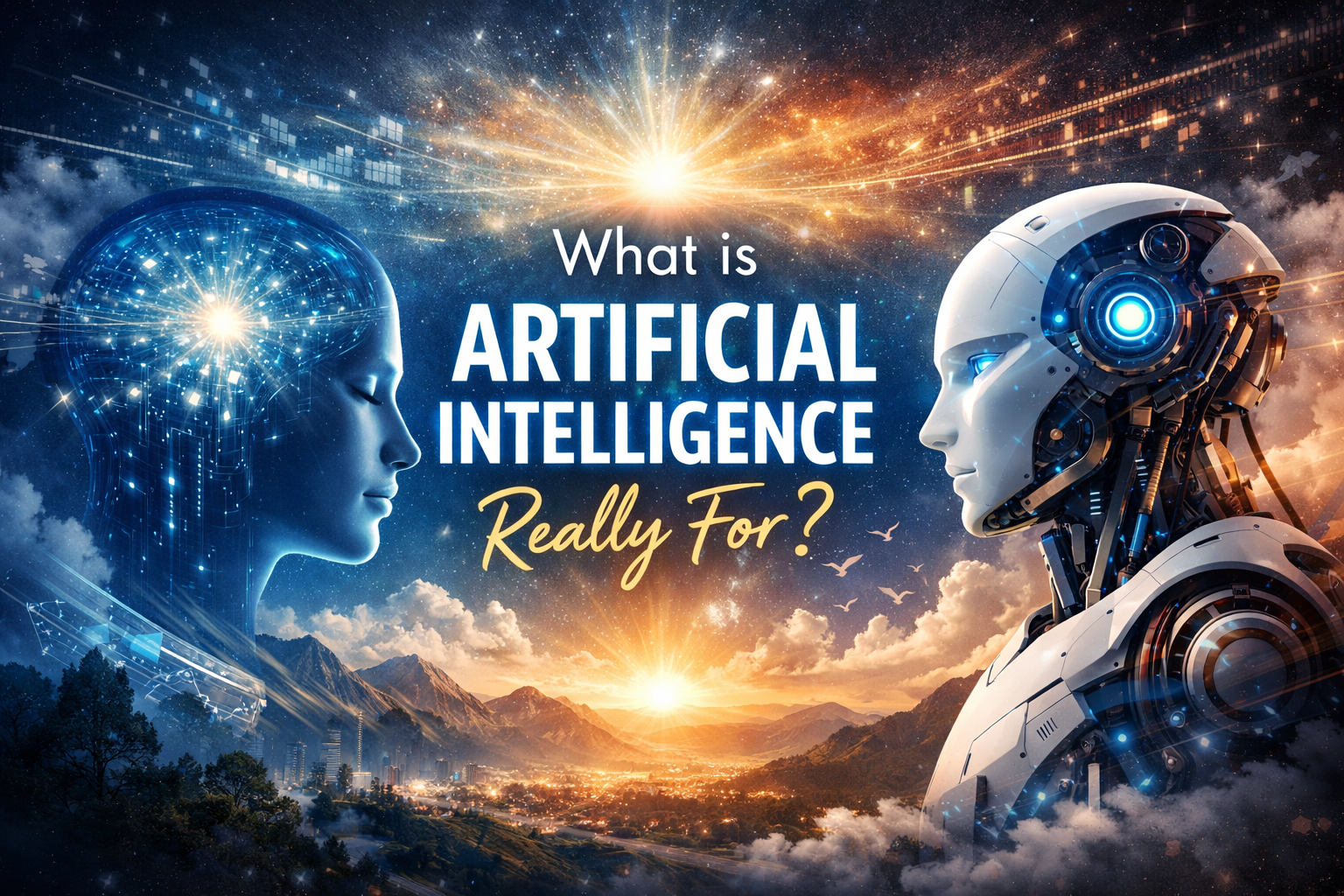
Artificial intelligence becomes truly valuable when it helps us refine our abilities, not abandon them.
Used well, AI saves time, reduces repetitive work, and creates something increasingly rare in modern life: space. Space to think better, to create more deeply, to reason with greater clarity, to strengthen our emotional intelligence, our energy, and our human presence.
This is the highest purpose of AI. Not to think instead of us, but to help us grow. Not to make us passive, but to free us to access more advanced human capacities that daily overload has often kept compressed, hidden, or underused.
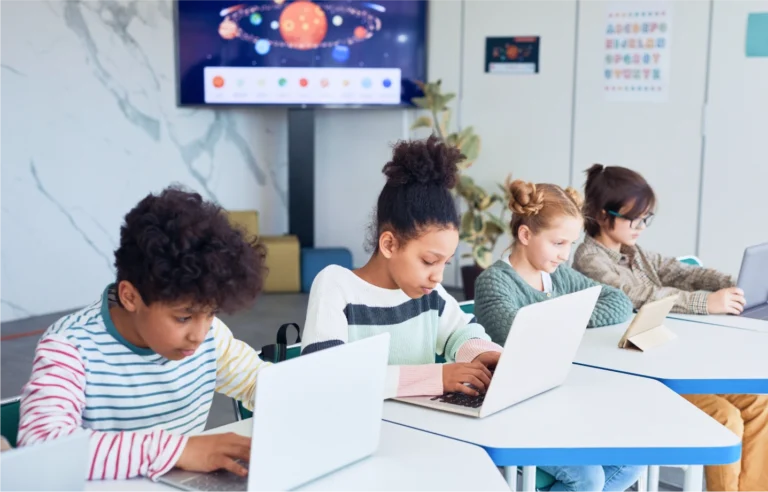
At the same time, there is a real risk we cannot ignore. When AI is used out of laziness, as a substitute for the mind rather than an extension of it, it can weaken the very abilities that define us. This is especially important for younger generations. After years of learning to replace real experience with passive digital consumption, many now risk learning to delegate thought itself.
This should not lead to fear. It should lead to education, awareness, and responsibility.
The future of AI will depend on how we choose to use it. If we use it to save time and elevate human depth, creativity, and consciousness, it can help build a better society. The goal is not a world where machines think for us. The goal is a world where, thanks to technology, humans can finally think, feel, and create at a higher level.