



In our ongoing exploration of Facial Emotion AI, its pivotal role in interpreting human emotions through facial expressions remains undeniable. This advanced technology continues to revolutionize diverse applications, from refining user experiences in digital interactions to aiding in mental health assessments. Among the most influential frameworks for understanding facial emotions are Paul Ekman‘s and James Russell‘s models. Both models offer unique perspectives and methodologies for emotion detection through facial expressions. However, they differ significantly in their approach and the underlying theories of emotion they represent. Let’s discover the differences between Ekman and Russell Models in Facial Emotion AI!
The Ekman Model: Discrete Emotion Theory
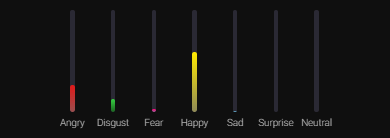
Paul Ekman is pioneering psychologist in the study of emotions and their relation to facial expressions. He developed the Ekman model based on the concept of universal emotions. According to Ekman, there are six basic emotions that are universally recognized across different cultures:
- Happiness
- Sadness
- Anger
- Fear
- Surprise
- Disgust
Key Characteristics of the Ekman Model:
- Universality: Ekman’s research suggests that these six basic emotions are expressed and recognized universally among all human cultures. This universality stems from biological and evolutionary factors and is reflected in consistent facial expressions.
- Discrete Categories: The model categorizes emotions into discrete groups, each associated with a specific set of facial muscle movements. For instance, happiness is typically shown by raising and crinkling the corners of the mouth. Sadness instead might be expressed by drooping of the upper eyelids and corners of the lips.
- Facial Action Coding System (FACS): Ekman developed FACS, a comprehensive tool for categorizing the physical expression of emotions. It is a detailed, anatomically based system for describing all observable facial movement for each emotion.
Applications of the Ekman Model in AI:
- Emotion Detection: AI systems use the Ekman model to train algorithms that can recognize emotion-specific facial cues. For instance, these systems analyze the positions and movements of various facial landmarks. This is crucial to identify which of the six basic emotions a person is expressing.
- Human-Computer Interaction (HCI): Enhancing user interaction with AI interfaces by responding appropriately to user emotions. For example, a customer service chatbot might use this model to detect frustration in a user’s facial expressions and adapt its responses accordingly.
The Russell Model: Circumplex Model of Affect
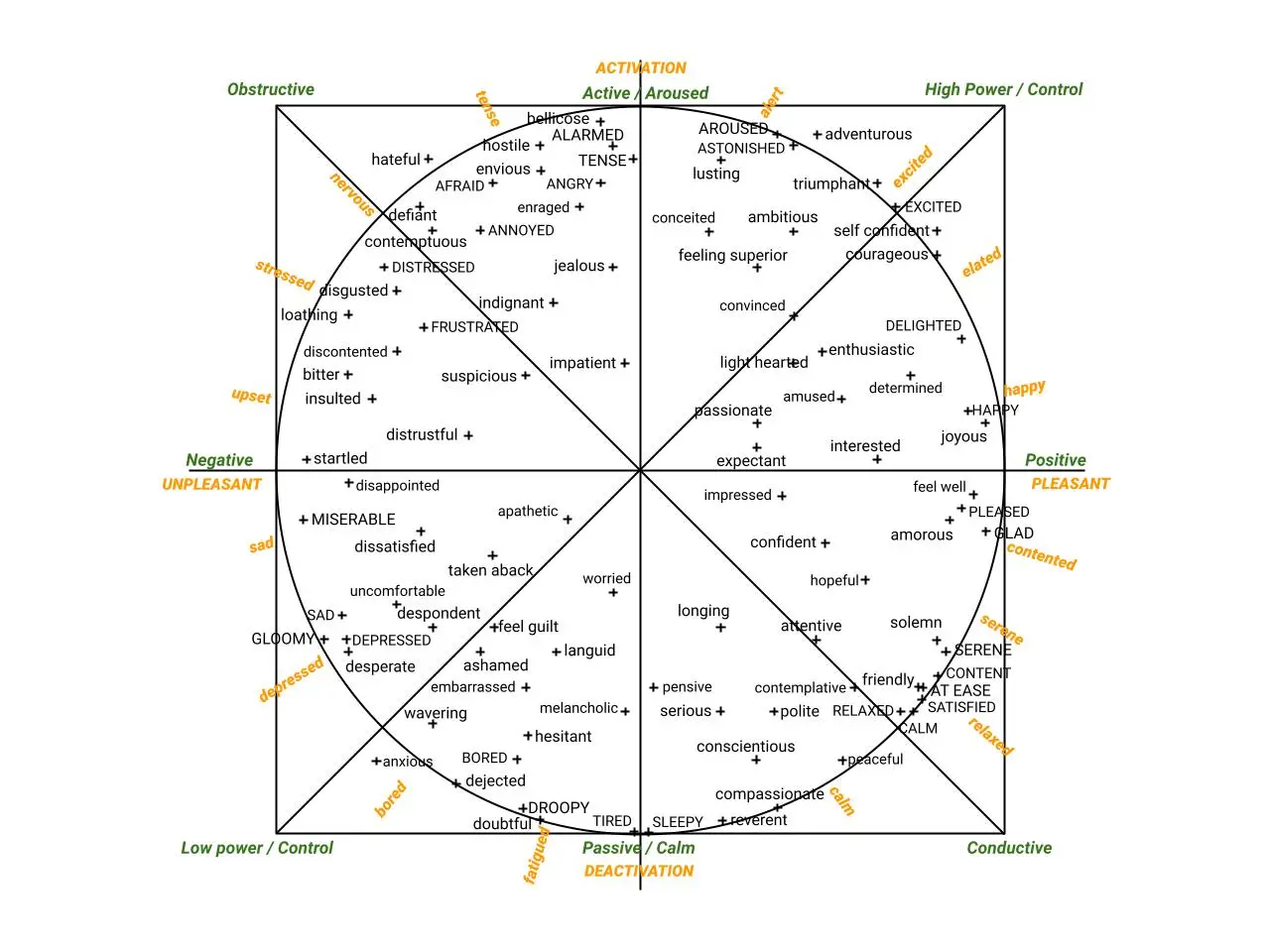
James Russell’s circumplex model presents a different approach. It suggests that emotions are arranged in a circular space, known as a circumplex, based on two main dimensions:
- Valence: How positive or negative the emotion is.
- Arousal: How calm or excited the emotion is.
Key Characteristics of the Russell Model:
- Continuum of Emotions: Unlike Ekman’s discrete categories, the Russell model posits that emotions can be represented as points in a 2D circular space. Emotions are not independent but rather lie on a continuum, reflecting degrees of arousal and valence.
- No Universal Basic Emotions: This model does not adhere to the concept of universal basic emotions. Instead, it acknowledges that emotions can be blended. And that their expression and recognition can vary based on individual and cultural differences.
- Flexibility: The circumplex model allows for a more nuanced understanding of emotions. It does it by recognizing the intensity and complexity of emotional expressions. For example, “happiness” can vary in intensity and be experienced as everything from mild satisfaction to intense joy.
Applications of the Russell Model in AI:
- Mood Analysis: AI systems using the Russell model can more accurately gauge the mood of users by assessing the emotional valence and arousal reflected in their facial expressions. This is particularly useful in settings like adaptive e-learning. In this field, the system adjusts the content based on the learner’s emotional state.
- Dynamic Emotional Response: AI can use this model to generate responses that are appropriate to the user’s emotional spectrum. For example, in interactive storytelling, the narrative can change dynamically based on the user’s emotional state detected via their facial expressions.
Explore how these emotional data are shown and can be decoded in the context of our Emotion AI technology
Conclusion: the differences between Ekman and Russell Models in Facial Emotion AI
The Ekman model is highly effective for applications needing to identify clear, distinct emotional states through facial expressions. Instead, the Russell model offers greater flexibility and a deeper understanding of emotional nuances. The choice between these models can influence how effectively AI systems can interpret human emotions.
For developers and researchers in the field of Facial Emotion AI, understanding the strengths and limitations of both the Ekman and Russell models is crucial. By selecting the appropriate model based on the application’s needs, AI can be tuned to interact more naturally and effectively with users. This enhances the overall experience and supporting broader goals, whether in marketing, healthcare, education, or beyond.
Read a focus on Russel’s Circumplex model of affects!