


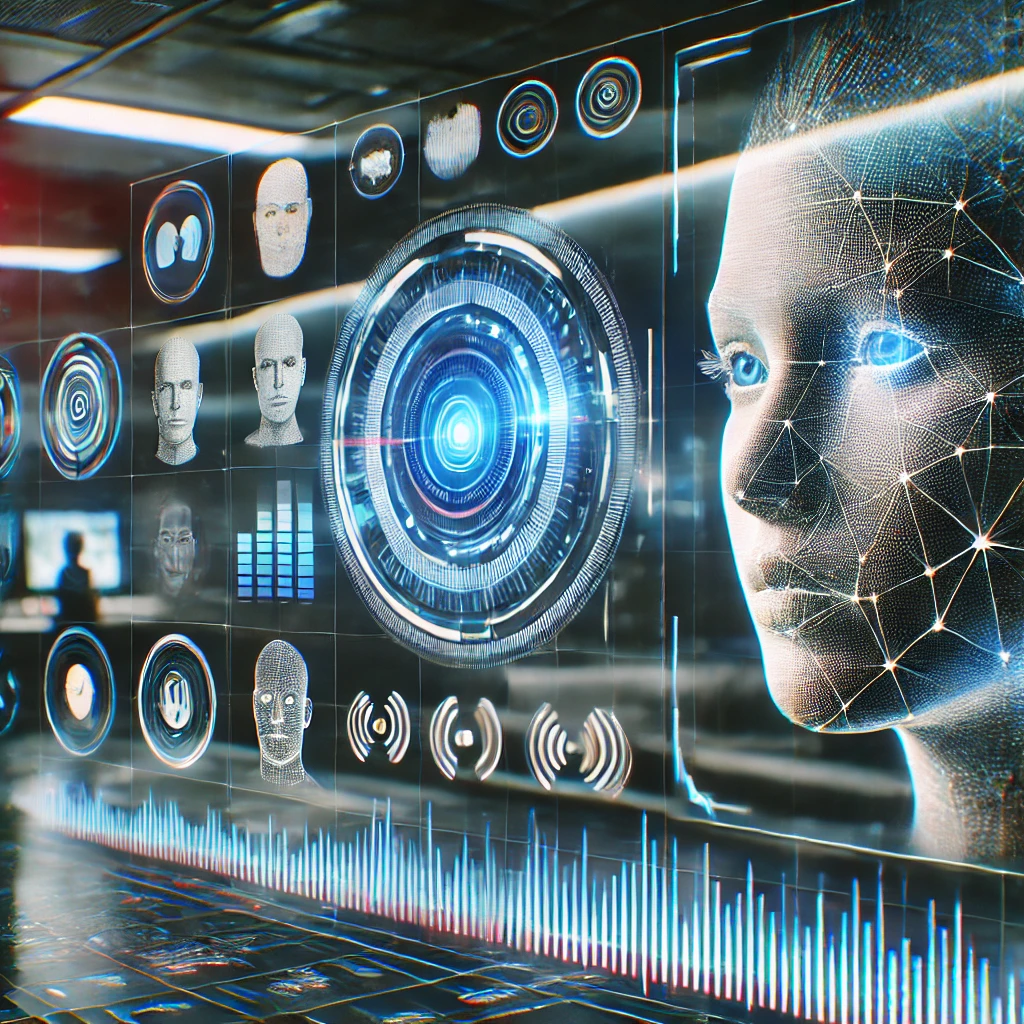
Emotion AI has seen remarkable advancements in recent years, with multimodal emotion recognition emerging as a key area of innovation. This cutting-edge approach involves integrating data from multiple sources—such as facial expressions, voice, and text—to enhance the accuracy and subtlety of emotion detection. In this blog post, we delve into the intricacies of multimodal emotion recognition, its current applications, and future potential.
Understanding Multimodal Emotion Recognition
Multimodal emotion recognition leverages various data channels to interpret human emotions more accurately. Traditional emotion detection methods often rely on a single source of data, like facial expressions analysis or vocal tone. While these methods can be effective, they have limitations in capturing the full spectrum of human emotions, especially in complex or subtle situations.
By combining facial expressions, voice intonation, and textual cues, multimodal emotion recognition provides a more comprehensive understanding of an individual’s emotional state. This integration allows for more nuanced and precise detection. And it makes it possible to identify emotions that might be missed when analyzing a single data source.
Advancements in Multimodal Emotion Recognition
Recent advancements in artificial intelligence and machine learning have significantly enhanced the capabilities of multimodal emotion recognition. Here are some key developments:
- Data Fusion Techniques. Sophisticated algorithms now enable the seamless fusion of data from different modalities. These techniques ensure that the emotional cues from facial expressions, voice, and text are accurately synchronized and interpreted.
- Contextual Analysis. Modern systems are designed to understand the context in which emotions are expressed. This contextual awareness helps in distinguishing between similar emotions (e.g., frustration vs. anger) based on the situation and surrounding factors.
- Real-Time Processing. Advances in processing power and efficiency have made it possible to analyze multimodal data in real-time. This capability is crucial for applications requiring immediate emotional feedback, such as virtual assistants or customer service bots.
- Cross-Cultural Adaptability. Researchers are increasingly focusing on developing models that can accurately recognize emotions across different cultures. This involves training AI systems with diverse datasets to understand varying emotional expressions and nuances globally.
Applications of Multimodal Emotion Recognition
The integration of multimodal emotion recognition has broad applications across various fields:
- Healthcare. In mental health monitoring, multimodal systems can provide more accurate assessments of a patient’s emotional state, aiding in better diagnosis and treatment plans. For instance, by analyzing a patient’s speech, facial expressions, and written communication, healthcare providers can gain deeper insights into conditions like depression, anxiety, and PTSD.
- Customer Service. Emotionally intelligent chatbots and virtual assistants can respond more empathetically to customers, improving user experience and satisfaction. By detecting frustration or confusion in a customer’s voice or text, these systems can adapt their responses to provide more effective assistance, enhancing customer loyalty and trust.
- Education. Emotion recognition can be used to gauge student engagement and tailor educational content to maintain interest and motivation. For example, online learning platforms can adapt the difficulty level or presentation style of content based on real-time emotional feedback from students, leading to more personalized and effective learning experiences.
- Marketing. Understanding consumer emotions can help brands create more effective marketing strategies and personalized experiences. By analyzing how customers react to advertisements, social media content, or product descriptions, companies can fine-tune their messaging to better resonate with their target audience, driving higher engagement and conversion rates.
- Human Resources. Multimodal emotion recognition can be employed in HR processes such as recruitment and employee wellness programs. During interviews, analyzing candidates’ emotional responses can provide additional insights into their suitability for a role. In the workplace, monitoring employee emotions can help identify stress or dissatisfaction early, allowing for timely interventions to improve well-being and productivity.
Future Potential
The future of multimodal emotion recognition holds immense promise. As AI technology continues to evolve, we can expect even greater accuracy and reliability in emotion detection. This progress will open up new avenues for empathetic human-computer interactions, transforming how we interact with technology in our daily lives.
Moreover, ethical considerations and privacy concerns will play a crucial role in shaping the development and deployment of these systems. Ensuring that emotion recognition technologies are used responsibly and transparently will be key to gaining public trust and maximizing their benefits.
The Path Forward
Multimodal emotion recognition represents a significant leap forward in the field of emotion AI. By integrating facial expressions, voice, and text, this approach offers a more comprehensive and accurate understanding of human emotions. As advancements continue, we can look forward to a future where technology not only understands us better but also interacts with us in more human-like and empathetic ways.
For more insights on the latest in emotion AI and its applications, stay tuned to our blog.