


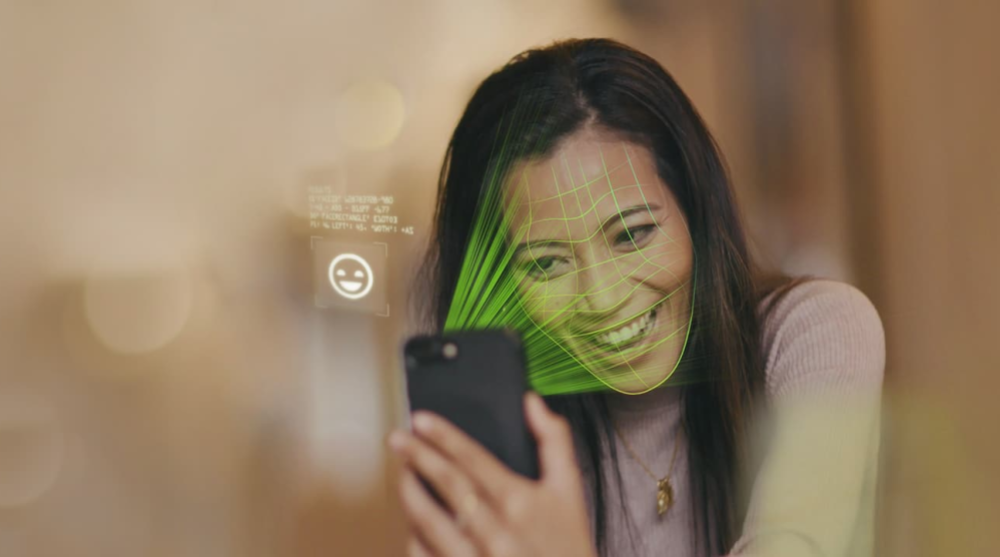
In a world where technology is constantly advancing, it’s no surprise that artificial intelligence (AI) is becoming more prevalent in our everyday lives. From Siri to self-driving cars, AI is changing the way we live and interact with the world around us. However, there is another type of intelligence that is often overlooked in the midst of all the excitement surrounding AI; we are talking about emotional intelligence (EI). Though they may sound similar, we shouldn’t use these two terms interchangeably. What’s the difference between emotional intelligence vs AI?
Understanding Artificial Intelligence (AI)
Artificial intelligence (AI) is the process of programming a computer to mimic human intelligence and behavior. It can be achieved through various methods, all aimed at creating a machine that can think and learn like a human. Some common applications of AI include speech and emotion recognition, fraud detection, predicting consumer behavior, and autonomous vehicles.
Understanding Emotional Intelligence (EI)
Emotional intelligence (EI) is the ability to understand and manage one’s own emotions, as well as the emotions of others. It is often considered more crucial than IQ for success in life. Key skills associated with emotional intelligence include self-awareness, self-regulation, empathy, and social skills.
The Difference between AI and EI
When comparing AI vs EI, several key differences emerge:
- Nature of Focus:
- AI is rooted in logic and machines, focusing on data and analytics.
- EI revolves around emotions, emphasizing human relationships and interactions.
- Learnability:
- AI can be taught through programming and training.
- EI is more innate, with the potential for improvement but rooted in inherent qualities.
- Functionality:
- AI gathers and analyzes data, excelling in tasks like data interpretation and pattern recognition.
- EI perceives and manages emotions, with a focus on understanding and navigating human emotions and relationships.
The Relationship between AI and EI
While AI and EI differ fundamentally, there is an emerging connection between the two. Thanks to tools like emotional analytics software, organizations can leverage AI to gather data about people’s emotions more effectively and efficiently. This synergy allows businesses to better understand their target audiences and tailor strategies accordingly.
Can AI Replace Human Emotional Intelligence?
AI, with its logical and analytical capabilities, can augment certain aspects of emotional intelligence but cannot fully replace the nuanced understanding of human emotions. Emotional intelligence involves a depth of empathy and social understanding that AI, despite its advancements, cannot completely replicate.
To sum up: Artificial intelligence and emotional intelligence
In conclusion, the integration of AI and EI opens new possibilities, with AI supporting emotional analytics and understanding. Organizations are increasingly utilizing these tools to enhance their strategies and connect with audiences on a more emotional level. The combination of AI and EI contributes to a comprehensive approach to intelligence in the evolving landscape of technology. If you want to learn more about emotion AI software, feel free to contact us to discuss your project!