


With the ongoing advancements in technology, an increasing number of businesses are embracing sentiment analysis and emotion AI to gain deeper insights into their customers’ preferences and requirements. Although these technologies are interconnected, they differ in their functions and uses. This article will highlight the distinctions between sentiment analysis and emotion AI, aiding you in choosing the most suitable option for your company.
Sentiment Analysis
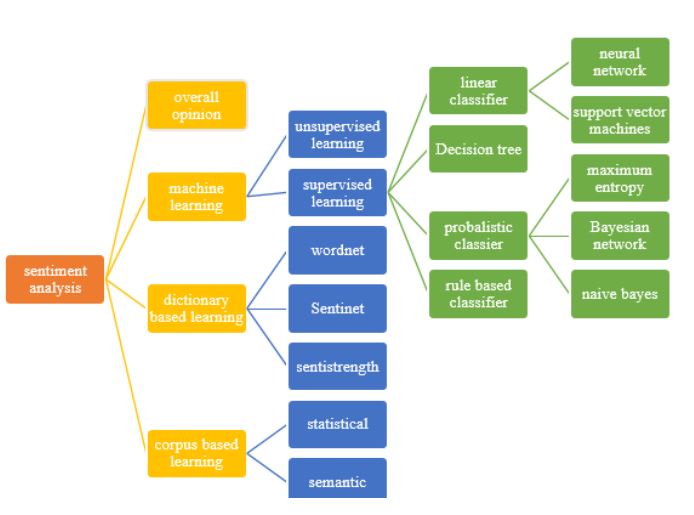
Sentiment analysis is a technology that analyzes text data, such as social media posts, reviews, and customer feedback, to determine the overall sentiment behind it. This can help businesses understand how their customers feel about their products or services and identify areas for improvement.
Sentiment analysis uses natural language processing (NLP) algorithms to classify text as positive, negative, or neutral. It can also identify specific emotions, such as joy, anger, or sadness. And provide insights into the reasons behind those emotions.
For instance, a business could employ sentiment analysis to evaluate customer feedback on their latest product. Should the sentiment analysis reveal a majority of positive reviews, this information can be leveraged for product promotion and boosting sales. Conversely, predominantly negative reviews would prompt the company to refine the product and respond to customer grievances.
Emotion AI
Emotion AI, also known as affective computing, is a technology that uses machine learning algorithms to analyze human emotions, expressions, and gestures. This technology can recognize emotions in images, videos, and audio recordings, and can even generate emotional responses.
You can use Emotion AI in a wide range of applications, including customer service, education, human resources, and entertainment. For example, a company might use emotion AI to analyze customer service interactions to identify when customers are frustrated or unhappy, and respond with appropriate solutions.
Another example of emotion AI is in mental health. Therapists can use it to analyze a patient’s facial expressions and body language during therapy sessions to identify emotional responses and provide more personalized treatment.

Differences between Sentiment Analysis vs. Emotion AI
Sentiment analysis concentrates on identifying the general sentiment conveyed, whereas emotion AI is designed to detect and classify distinct emotions. Together, they provide a comprehensive understanding of the subjective elements in human communication.
While you can both use sentiment analysis and emotion AI to analyze human emotions, there are some key differences between the two.
- First. Sentiment analysis focuses on the overall sentiment behind text data. Emotion AI focuses on recognizing and interpreting specific emotions and expressions.
- Second. People primarly use Sentiment analysis to analyze text data. Emotion AI can analyze a variety of inputs, such as images, videos, and audio recordings.
- Third. Sentiment analysis is focused on understanding customer feedback and improving products or services. Emotion AI is used in a variety of industries, including healthcare, entertainment, and customer service.