

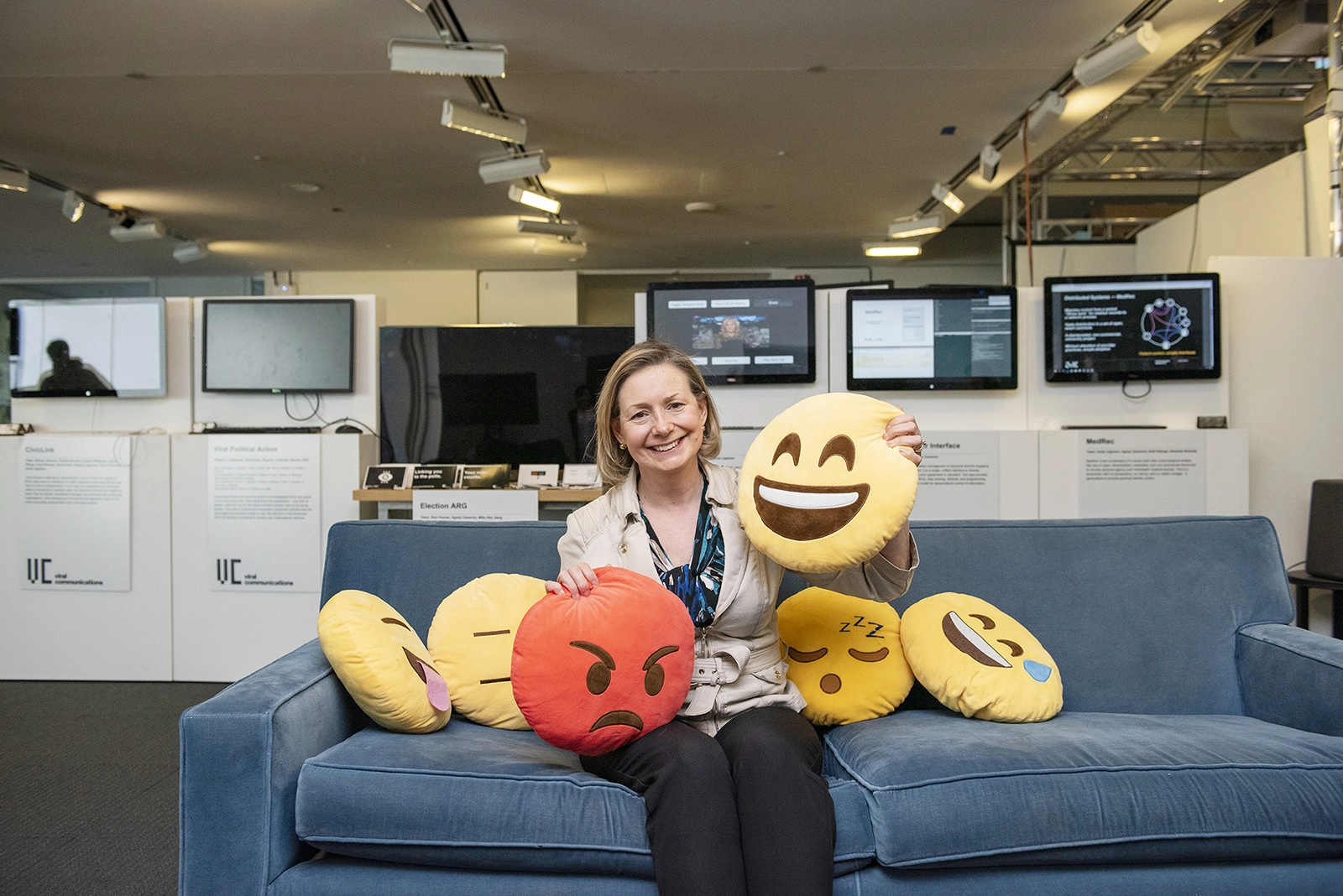
There is someone who has been working at MIT for twenty years on the groundbreaking field of Affective Computing, and her name is Rosalind Picard (LinkedIn).
In the world of technology, few figures have had as profound an impact on how we conceive the interaction between humans and machines as Rosalind Picard. As the founder of the Affective Computing group at the MIT Media Lab, her vision laid the groundwork for a radical transformation: emotions are not just a fundamental part of the human experience—they can and should be integrated into technology to enhance our daily lives. This is where MorphCast steps in.
Affective Computing: Bridging Emotions and Technology
Rosalind Picard introduced the concept of Affective Computing, the idea that machines can not only recognize but also respond to human emotions. This field goes beyond merely identifying emotions; it aims to create a more empathetic and intuitive interaction between humans and technology. Through advanced sensors, machine learning models, and intelligent interfaces, machines can adapt to users’ emotional needs, improving how we work, communicate, and learn.
MorphCast: The Evolution of Affective Computing
With cutting-edge technology, MorphCast fully embraces Picard’s principles. Our Emotion AI platform does more than recognize facial expressions; it processes emotions and user states in real time, offering practical solutions to enhance human-machine interaction across various domains:
- Education: Tailoring educational content based on students’ emotional engagement.
- Customer Experience: Personalizing customer experiences to make them more relevant and rewarding.
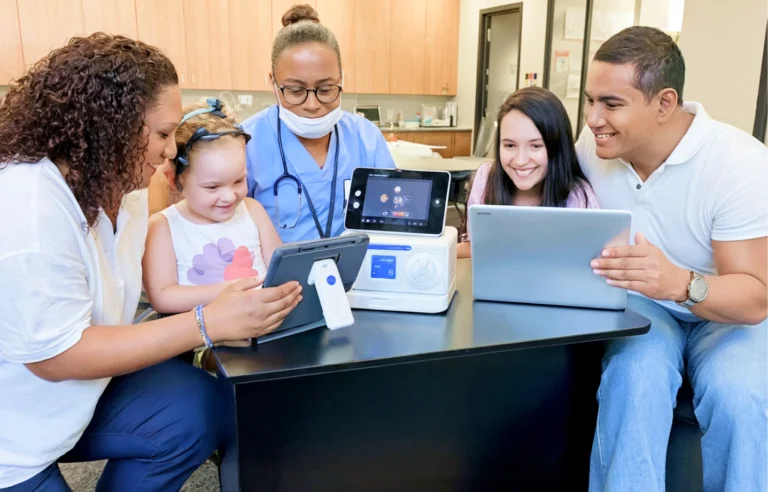
- Healthcare: Monitoring patients’ emotional states to improve healthcare delivery.
Privacy and Security at the Core
As Picard often emphasizes, user trust is crucial. MorphCast has taken a step further than traditional Affective Computing approaches by ensuring that all data is processed directly within the user’s browser without being sent to remote servers. This architecture is designed to safeguard privacy, eliminating any risk of unauthorized exposure of sensitive data.
Social Impact: Technology for the Greater Good
Another fundamental aspect of Rosalind Picard’s vision is leveraging technology for socially responsible purposes. MorphCast aligns with this philosophy by offering tools that promote well-being and inclusion. From reducing workplace stress to creating more empathetic digital environments, MorphCast is committed to making technology a driver for human progress.
Looking Ahead
The future of Affective Computing is bright, and MorphCast is thrilled to be at the forefront of this revolution. By continuing to develop technologies that embrace Rosalind Picard’s vision, we aim to create a world where machines not only understand human emotions but also help nurture them for a more harmonious and connected future.
Visit our website www.morphcast.com/apps/ai-agents to learn how we are transforming emotions into action through our innovative use of Agentic AI and AI agents, redefining the boundaries of human-machine interaction.