


The role of AI in healthcare is rapidly transforming the way we approach diagnosis, treatment, patient monitoring, and operational efficiency. As artificial intelligence continues to evolve, its applications in healthcare are proving to be not only innovative but essential. From improving early disease detection to personalizing treatment plans and optimizing hospital workflows, AI is playing a vital role in making healthcare smarter, faster, and more accessible.
In this article, we’ll explore the key areas where AI is making a difference, the benefits and challenges of AI in healthcare, and what the future holds for this groundbreaking technology.
How AI is Changing the Face of Modern Healthcare
The role of AI in healthcare is most visible in how it enhances clinical decision-making and accelerates processes that once took days or even weeks. Machine learning algorithms can now analyze complex medical data, identify patterns, and support physicians in diagnosing conditions with greater accuracy.
Some of the most impactful uses of AI in healthcare include:
- Medical imaging analysis for faster and more accurate detection of anomalies like tumors or fractures.
- Predictive analytics to identify at-risk patients and prevent hospital readmissions.
- Natural language processing (NLP) to extract insights from unstructured data like doctors’ notes and medical records.
- Robotic process automation (RPA) to streamline administrative tasks such as scheduling, billing, and patient documentation.
AI in Disease Diagnosis and Detection
One of the most critical applications of AI in healthcare is in early disease detection. AI algorithms trained on massive datasets can detect diseases like cancer, Alzheimer’s, and cardiovascular conditions at earlier stages than traditional methods.
For example, AI-driven platforms can analyze thousands of mammograms and flag potential breast cancer cases with high precision, aiding radiologists and reducing false positives. The role of AI in healthcare diagnostics is reshaping how we approach complex health challenges with speed and accuracy.
Personalized Treatment Plans with AI
Personalized medicine is another area where the role of AI in healthcare is gaining traction. AI systems can analyze genetic data, lifestyle factors, and treatment history to recommend customized treatment plans tailored to each patient.
This approach improves treatment outcomes, reduces side effects, and allows for more targeted therapies—particularly in oncology and chronic disease management.
Enhancing Patient Engagement and Monitoring
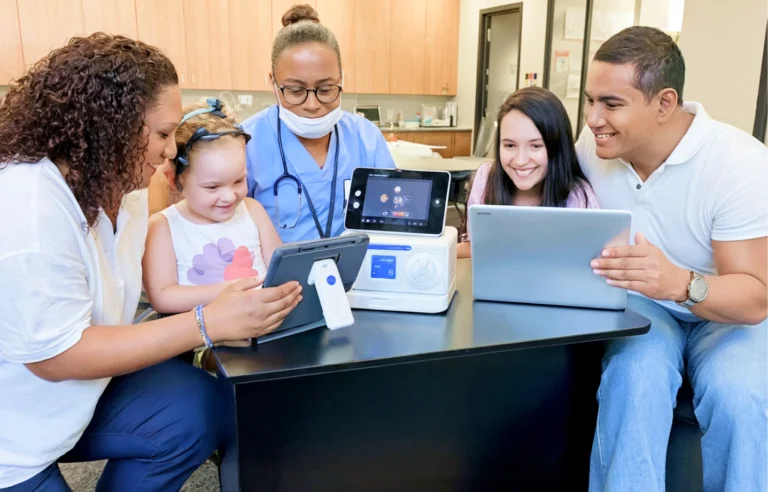
AI-powered tools such as virtual health assistants, chatbots, and remote monitoring devices are improving patient engagement by offering real-time support, reminders, and symptom tracking. These tools help patients manage chronic conditions more effectively and reduce unnecessary hospital visits.
The role of AI in healthcare monitoring also extends to wearable technology that continuously tracks vital signs and alerts healthcare providers of any irregularities.
Operational Efficiency in Healthcare Facilities
Beyond patient care, the role of AI in healthcare operations is helping hospitals and clinics optimize workflows, manage resources, and cut costs. AI can predict patient admission rates, suggest staff allocation strategies, and manage inventory with minimal human intervention.
This results in better patient experiences, reduced waiting times, and more efficient healthcare delivery.
Challenges and Ethical Considerations
While the role of AI in healthcare offers tremendous promise, it also brings challenges:
- Data privacy and security concerns, especially with sensitive medical information.
- Bias in algorithms, which can lead to disparities in diagnosis or treatment recommendations.
- Transparency and explainability of AI decisions, especially in life-critical scenarios.
Regulatory frameworks, continuous monitoring, and ethical AI design are essential to ensure responsible implementation.
The Future of AI in Healthcare
Looking ahead, the role of AI in healthcare will only grow stronger. Innovations like facial emotion AI, digital twins, and autonomous diagnostic systems will further empower healthcare professionals and patients alike.
As technology advances, collaboration between AI developers, healthcare providers, and regulatory bodies will be crucial to ensure safe, ethical, and impactful use of AI.
Conclusion
The role of AI in healthcare is undeniably transformative. From diagnostics and treatment to patient engagement and hospital efficiency, AI is revolutionizing every aspect of the medical field. By embracing AI responsibly and ethically, we unlock a future where healthcare is more personalized, predictive, and accessible to all.