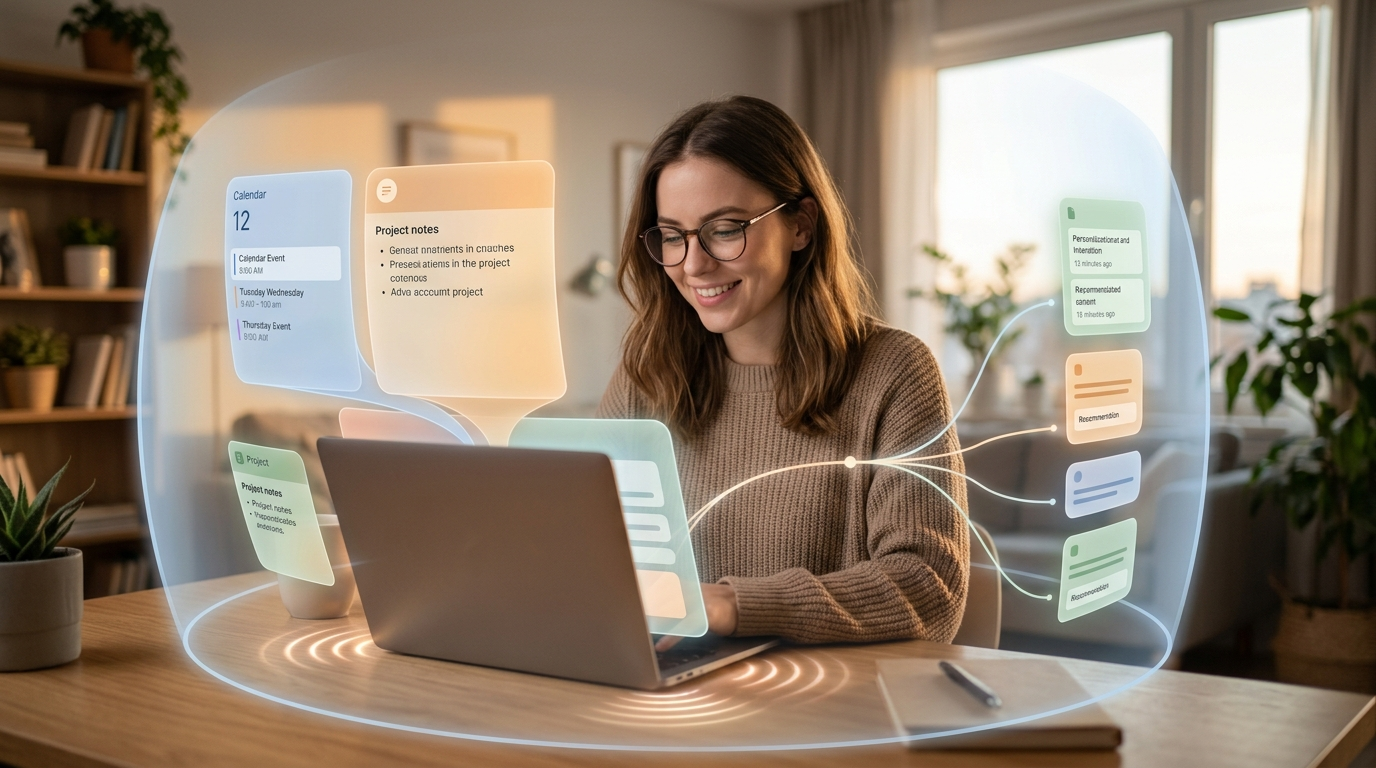



Attention-Based Emotion AI, also called Facial Attention Recognition, Attention Measurement AI or Measuring Attention Technology, is a type of artificial intelligence that combines computer vision and machine learning techniques to measure a user’s attention and emotional response to visual content.
This technology can detect facial expressions, eye gaze, and other physiological signals to determine the level of attention and engagement that a user has with a particular piece of content. By analyzing these signals, Attention-Based Emotion AI can provide insights into user behavior and preferences, and helps in various contexts, such as digital advertising, e-learning, market research, videoconferences, webinars and more.
Sometimes you need an adaptive strategy
Occasionally, a tool devised to address a particular issue may not be utilized as its creator envisioned. This, in my opinion, is the case with MorphCast Emotion AI Technology, where we are among the leading market players. Initially focused on measuring facial emotion expressions, we soon discovered that some customers demanded the adaptation of MorphCast’s proprietary technology to measure additional facial features such as attention level, engagement level, and positivity level. Certain industries began seeking these metrics even before Emotion AI had fully matured and established its presence.
These factors (attention, engagement and positivity) play a crucial role in user experience and interaction across various industries, including eLearning, coaching, webinars, and videoconferencing.
How can Attention-Based Emotion AI make a difference?
By understanding users’ attention, engagement, and positivity levels, Attention-Based Emotion AI helps tailor content and experiences to better suit individual preferences, enhancing satisfaction and effectiveness. Attention AI can also improve communication between humans and machines by providing a more accurate understanding of users’ attention, engagement, and positivity levels, leading to more contextually appropriate interactions.
By leveraging this technology, businesses and individuals can benefit from more personalized, responsive, and effective systems as for example:
- Analyzing these levels allows marketers and advertisers to create more targeted and efficient campaigns, ensuring that their messages engage the intended audience.
- eLearning and EdTech: Analyzing attention, engagement, and positivity levels can provide valuable insights for educators, enabling them to tailor their teaching methods to better engage students and improve learning outcomes.
- Attention AI can help coaches and trainers understand their audience’s engagement and responsiveness, allowing them to adjust their delivery and content for maximum impact in real time.
- Videoconferencing and webinars: Attention AI can be used to monitor and analyze participants’ attention and engagement levels during video calls and webinars in real time, ensuring that communication is effective and that key messages are understood.
- Mental health research and treatment: this technology can be used to monitor the attention and emotional response of individuals with mental health disorders during therapy sessions, allowing therapists to tailor their interventions based on the patient’s needs and level of engagement. It can also be used to study the effectiveness of different therapeutic approaches and to identify patterns in emotional responses that may indicate specific mental health conditions.
One social valuable use case of Attention-Based Emotion AI
Using Attention AI to improve Body Language Training for Job Interviews, A-dapt, in their project “The Emotion AI video tutorial format”, created an Attention AI effective feedback tool in a training course to make an effective job interview. This is a great example of how Attention AI and Emotion AI can be applied in the context of HR and employment training, helping individuals to become more aware of their nonverbal communication and improve their chances of success in the job market.
These enhancements aim to provide less bias-sensitive and more accurate measurements than those obtained from purely basic emotional analysis. By incorporating these advanced metrics, we are committed to meeting the current and future market demands, fostering innovation, and staying ahead of the competition in the ever-evolving landscape of AI-driven user experiences.