
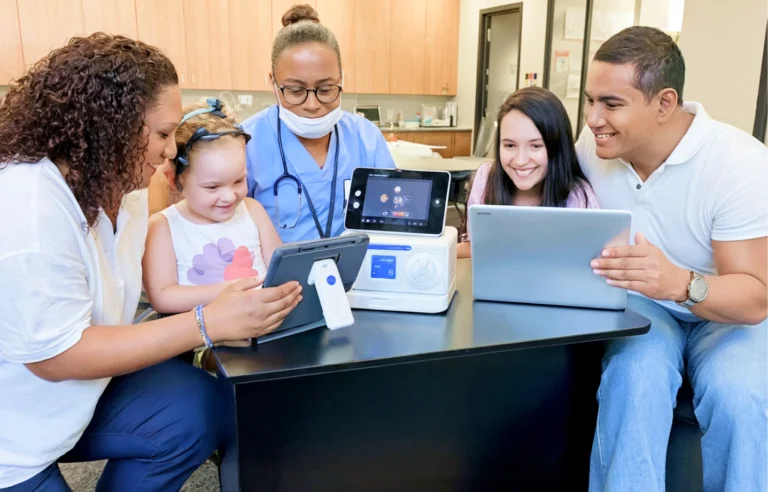


In an age where technology increasingly intertwines with daily life, the ability of machines to understand and respond to human emotions is more crucial than ever. Affective computing, an emerging field at the intersection of computer science, psychology, and cognitive science, aims to bridge this gap. This technology equips computers with the ability to detect, interpret, and simulate human emotions, paving the way for more intuitive and engaging interactions. In this article, we delve into the essence of affective computing, its mechanisms, and its practical applications, illustrating its potential to revolutionize various industries.
Understanding Affective Computing
Affective computing is the study and development of systems and devices that can recognize, interpret, and process human emotions. It involves the use of sensors, artificial intelligence (AI), and data analytics to gauge emotional states through physiological indicators such as facial expressions, voice modulation, body language, and even heart rate. Dr. Rosalind Picard, a pioneer in this field, introduced the term at the MIT Media Lab, emphasizing its importance in making human-computer interaction more natural and responsive.
Core Technologies and Methodologies
- Facial Recognition Software: Advanced algorithms analyze facial expressions to detect emotions like happiness, sadness, anger, or surprise. Try now MorphCast live Facial Emotion AI demo!
- Voice Recognition Systems: Changes in tone, pitch, and speed help identify emotional states during interactions.
- Wearable Technology: Devices equipped with sensors that monitor physiological responses such as heart rate variability to infer emotional conditions.
Real-World Applications of Affective Computing
- Healthcare: Affective computing is transforming healthcare by providing tools for monitoring mental health conditions through emotional analysis. For instance, applications can detect depressive episodes by noting changes in speech patterns and facial expressions, enabling timely intervention.
- Automotive Industry: Car manufacturers like Toyota and BMW are integrating affective computing systems into their vehicles to enhance driver safety. These systems monitor the driver’s emotional state to provide alerts or adapt the driving experience, reducing the risk of accidents caused by emotional distress.
- Education: Interactive learning platforms use affective technology to tailor educational experiences according to the emotional state of students. For example, if a student feels frustrated, the system might modify the difficulty level or provide additional guidance.
- Customer Service: Chatbots and virtual assistants enhanced with emotional intelligence capabilities can offer more personalized and empathetic responses, significantly improving customer satisfaction and engagement.
Challenges and Ethical Considerations
While affective computing holds tremendous potential, it also presents significant challenges, particularly in privacy and ethical domains. Ensuring the security of emotional data and preventing its misuse is paramount. Moreover, the accuracy of emotion recognition technology and its implications on cultural and individual diversity necessitates careful consideration and ongoing research.
To sum up
Affective computing stands at the forefront of a technological revolution, promising to enhance the way we interact with machines. By integrating emotional intelligence into technology, we are not only improving user experiences but also opening new avenues in personalization and empathy in digital interactions. As this field evolves, it will undoubtedly unveil new opportunities and challenges, shaping the future of human-machine relationships.
Stay informed about the latest developments in affective computing by following our blog at MorphCast.com. Join us in exploring how emotional intelligence can transform user experiences across all digital platforms.