

Lately we hear a lot about Facial Emotion Recognition, but what exactly is it all about?
Facial expressions and their analysis play are crucial elements in the non-verbal communication. Specifically, they amplify spoken communication and enhance the capacity to comprehend ideas and concepts. Regardless of gender, culture, or ethnicity, most people are capable of recognizing emotions expressed by the human face.
However, the automation of this process is a relatively recent development. Artificial Intelligence has made significant strides in recent years. There are now technological solutions capable of detecting, analyzing, and recognizing emotional states through the analysis of facial expressions.
What is Facial Emotion Recognition tech?

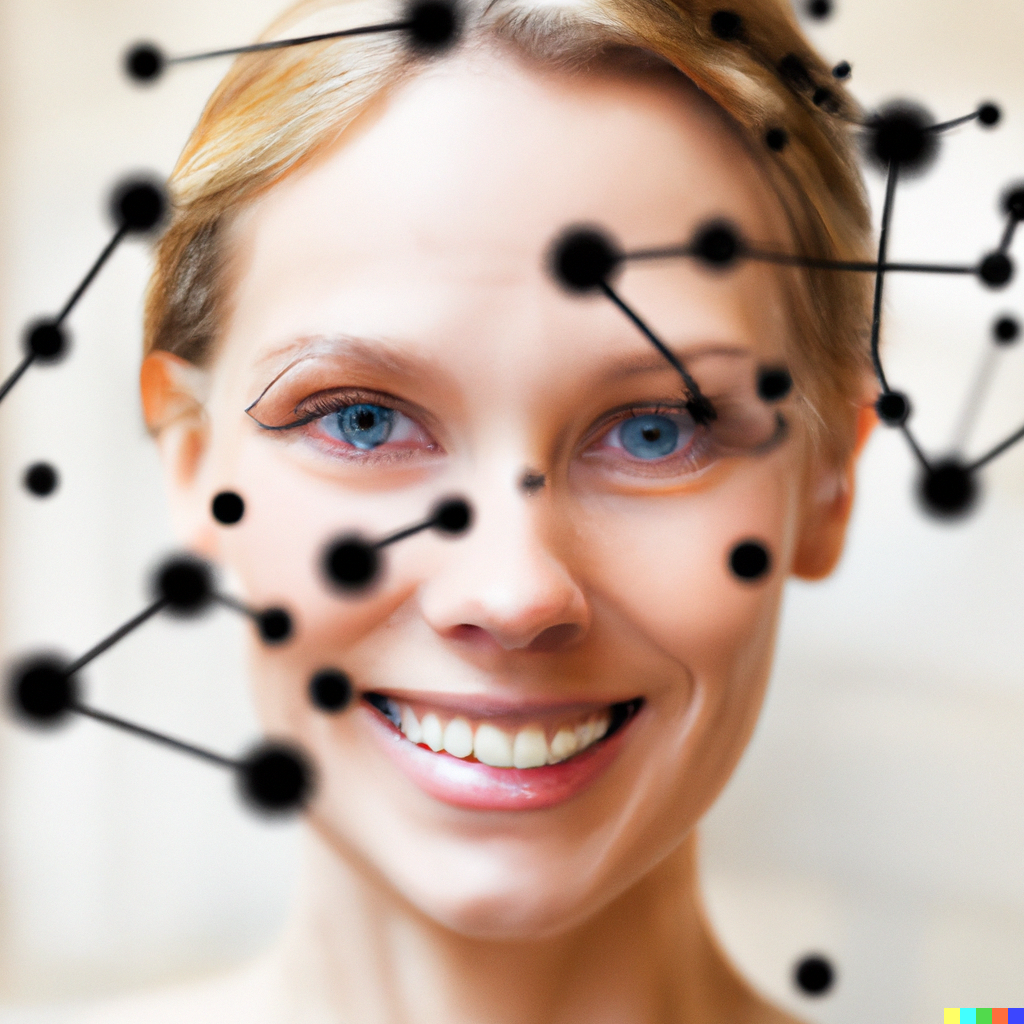
Facial Emotion Recognition (also known as FER) is a technology able to detect and analyze face expressions of people. It achieves this by examining images or videos and deducing the emotional state based on the identified facial expression. Indeed, it is a subset of what is called Emotion AI or Affective Computing, a multidisciplinary tech field that uses Artificial Intelligence to detect and interpret human emotions.
But how does Facial Emotion Recognition work? Essentially, to teach AI to recognize human emotions, it is necessary to train it to detect a face, recognize the expression, and associate it with an emotional state. There are various models of emotion classification, ranging from Paul Ekman’s six basic emotions model to Russel, Scherer, and Klaus’ circumplex model of affect, which identifies 98 mental states. Therefore, based on the psychological and scientific model used to train the AI, the depth of emotion recognition can vary.
Clearly, these technologies cannot read people’s minds! What they can discern is the “apparent” emotional state, relying on the expression under analysis. Naturally, they are generally more precise in recognizing spontaneous expressions rather than posed ones.
On our blog, you can also read more about benefits of facial emotion recognition.
Uses of facial emotion recognition
Facial Expression Recognition technologies can cover a wide range of applications. It is a versatile technology that can be applied wherever emotion recognition can add value by enhancing user engagement or solution effectiveness.
Below are some examples, which are certainly not exhaustive, of uses of Facial Emotion Recognition:
- Education and training. By determining the emotional states of learners, it is possible to adapt the learning path on each single user. It is also possible to determine their attention level and engagement and use these data to make the training sessions more effective.
- Human resources. Facial Emotion Recognition provides recruiters with objective and scientific data on emotional reaction of candidates during job interviews. Also, it allows to measure the mood and engagement of employees during training sessions, meetings, and much more.
- Digital advertising. The possibility of detecting and recognizing the emotional states and reactions of customers, makes advertisers able to personalize the communication with online users. This allows to boost their engagement and increase the efficacy of marketing investments.
- Retail and digital signage. Emotion Recognition allows to tailor the communication by displaying personalized messages or products for each single viewer.
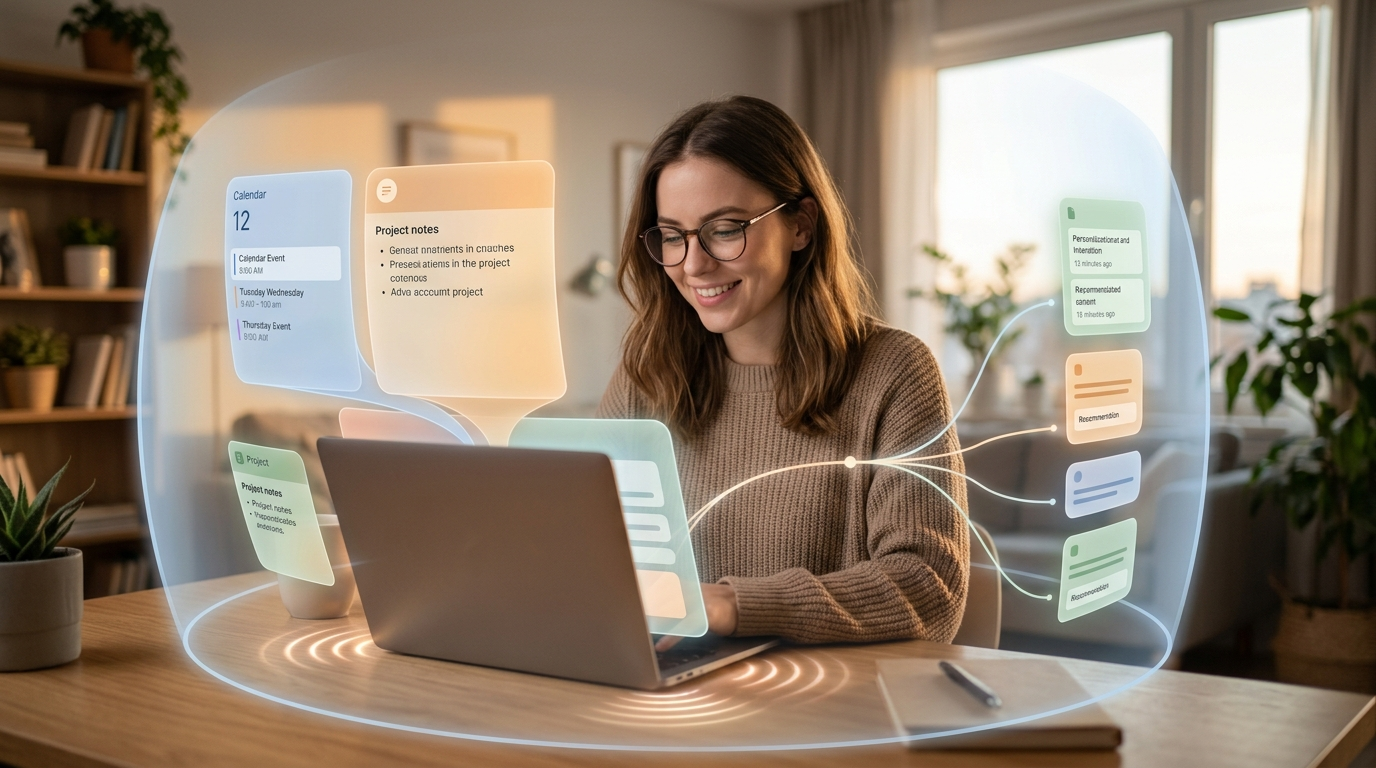
- Entertainment. By detecting the emotion and mood of users, it is possible to personalize contents, predict reactions to specific contents, and provide contextual and customized recommendations.
The conclusions
Facial Emotion Recognition is a technology that uses Artificial Intelligence to detect and analyze human facial expressions, allowing for the detection of emotional states. This technology has numerous applications, including education, human resources, digital advertising, retail, and entertainment. While the use of this technology may raise some concerns about privacy and ethical considerations, it has the potential to improve user engagement and solution effectiveness in various fields. As AI continues to advance, it is likely that Facial Emotion Recognition will play an increasingly important role in our daily lives.