

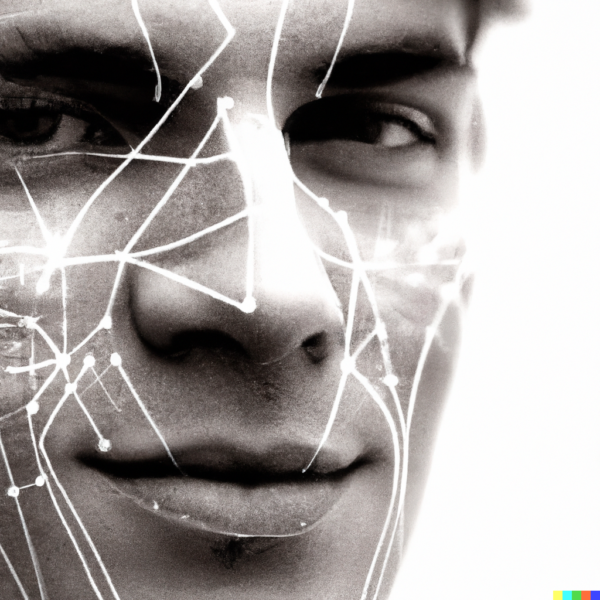
Facial emotion recognition has become a fascinating topic in recent years, and it’s incredible to see how far technology has come. The use of Artificial Intelligence (AI) has dramatically increased the accuracy and efficiency of facial emotion recognition systems. It’s exciting to think about how facial emotion recognition industry will continue to evolve. And also how it will impact other industries.
Facial emotion recognition: the scientific models
There are various models used in facial emotion recognition,. But let’s focus on the ones you may have heard about. The Russell model, the Ekman model, and the Affect Circumplex Model.
The Russell model is all about two dimensions: valence and arousal. It’s a continuous representation of emotions, which is a more nuanced approach than the Ekman model’s discrete categories.
The Ekman model, on the other hand, proposes six basic emotions,. It’s been helpful to identify these emotions in facial expressions.
Finally, the Affect Circumplex Model adds a third dimension to the mix, dominance or control. This allows for a more complete understanding of emotional experience.
MorphCast: Client-side processing facial emotion recognition service
Now, let’s talk about MorphCast. It’s a client-side processing facial emotion recognition service that uses deep learning algorithms to provide highly accurate and efficient recognition.
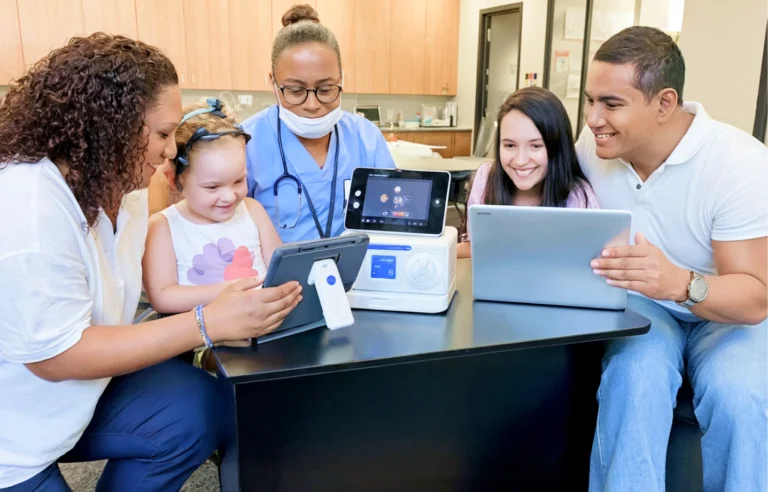
MorphCast can recognize a wide range of emotions in real-time, making it ideal for deep interactive experiences. It’s used in different industries, such as marketing, elearning, coaching and healthcare.
What’s amazing about MorphCast’s technology is that it’s highly customizable. This means that clients can train the software to recognize specific emotions, making it highly adaptable to any industry or use case.
The importance of a client-side approach in Facial Emotion Recognition industry
What makes MorphCast stand out from traditional cloud-based facial emotion recognition solutions is its client-side approach.
Data is processed on the user’s device, enhancing data privacy and security, which is crucial for industries such as healthcare. Furthermore, the client-side approach allows for real-time facial emotion recognition. And this makes it highly effective in applications using real time interaction with the user.
To sum up
In conclusion, facial emotion recognition technology has come a long way, and it’s fascinating to think about how it will continue to evolve.
The Russell model, the Ekman model, and the Affect Circumplex Model are widely used in facial emotion recognition research, and MorphCast is at the forefront of this field. Its client-side processing services offer highly accurate and efficient facial emotion recognition that can be customized for different industries and applications.
As technology continues to develop, we can expect to see even more innovative uses of facial emotion recognition that will revolutionize the way we interact with technology.