


Creating an effective employee training experience is essential for any business. That’s because it helps to improve productivity, boost morale, and increase retention rates. One way to enhance the training experience is by incorporating emotion analysis into the process. Emotion analysis is the process of identifying and interpreting emotions and sentiments from text, voice, or facial expressions. By using this technology, businesses can gain a deeper understanding of how their employees are feeling during training. And you can use these information to make adjustments to improve the overall experience.
First step: Creating the best employee training experience with emotion analysis
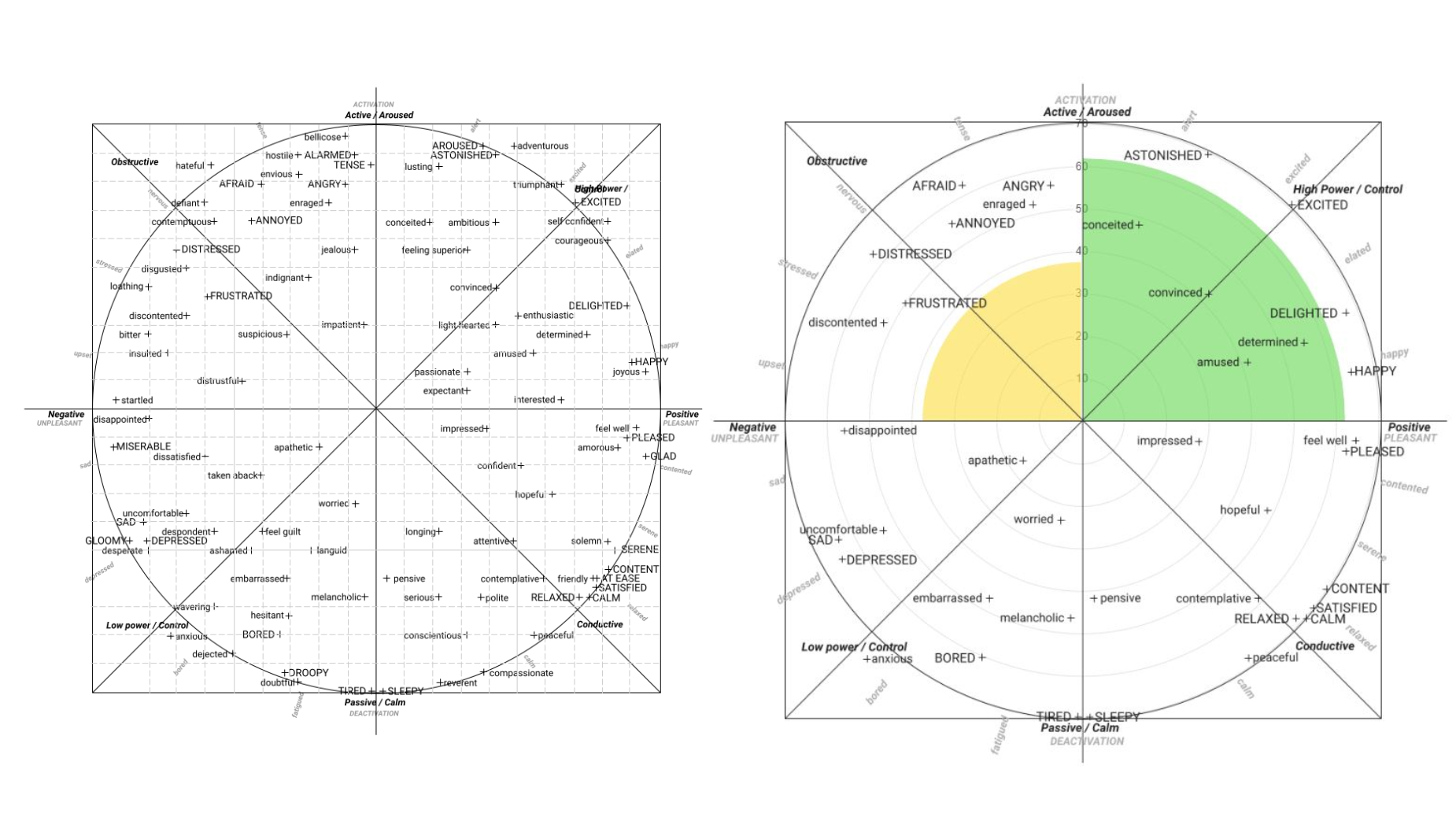
The first step in creating the best employee training experience with emotion analysis is to identify the specific emotions that are most relevant to your training. For example, if your training focuses on customer service, you may want to pay attention to emotions such as frustration, anger, and dissatisfaction, as they can indicate areas where your employees may need additional training.
Tracking and analyzing data
Once you have identified the relevant emotions, you can choose an emotion analysis tool, such as sentiment analysis and facial emotion recognition software. These are crucial to track and analyze employee emotions during training. You can use sentiment analysis tools, for example, to analyze text data, such as employee feedback surveys, to identify patterns and trends in employee emotions. You can use Facial emotion recognition software, on the other hand, to analyze facial expressions and identify specific emotions such as happiness, sadness, or surprise.
Creating the right environment with interactive content
Another important aspect of creating the best employee training experience is to create an environment that is conducive to learning and engagement. This can include using interactive video and engaging training materials, such as animations and gamification elements. Of course, you can also provide opportunities for hands-on practice and feedback. By using a variety of different training methods, you can appeal to different learning styles. And you can keep your employees engaged throughout the training process.
Tracking progress and results during employee training experience with emotion analysis
In addition to providing training, it is also important to track progress and measure the effectiveness of the training. This can be done by using metrics such as employee satisfaction, retention rates, and performance metrics. But you can also do this through an emotion analysis tool to detect the mood of the employee. By tracking progress and measuring the effectiveness of the training, you can identify areas where additional training is needed. This is really helpful to make adjustments to improve the overall experience.
Benefits of employee training experience with emotion analysis
In conclusion, incorporating emotion analysis into employee training can greatly enhance the experience and improve the overall effectiveness of the training. By identifying relevant emotions, using emotion analysis tools, creating an engaging environment, and tracking progress, businesses can create the best employee training experience possible. With the help of emotion analysis, businesses can improve the employee experience. This includes increase retention rates, and ultimately improve the bottom line.
W learned how to improve employee training program. Now it’s your turn to create the best employee experience for onboarding and training!